
Sleep-Related Breathing Disorders Management
Sleep Apnea & Snoring Treatment in Lucknow
Sleep-Related Breathing Disorders Management
Sleep-related breathing disorders occur when airflow is partially or completely blocked during sleep, leading to poor oxygen supply and disturbed rest. This causes snoring, fatigue, headaches, and serious heart and lung complications.
Dr. Saurabh Ojha provides complete evaluation and treatment for sleep disorders through sleep studies and modern therapies.
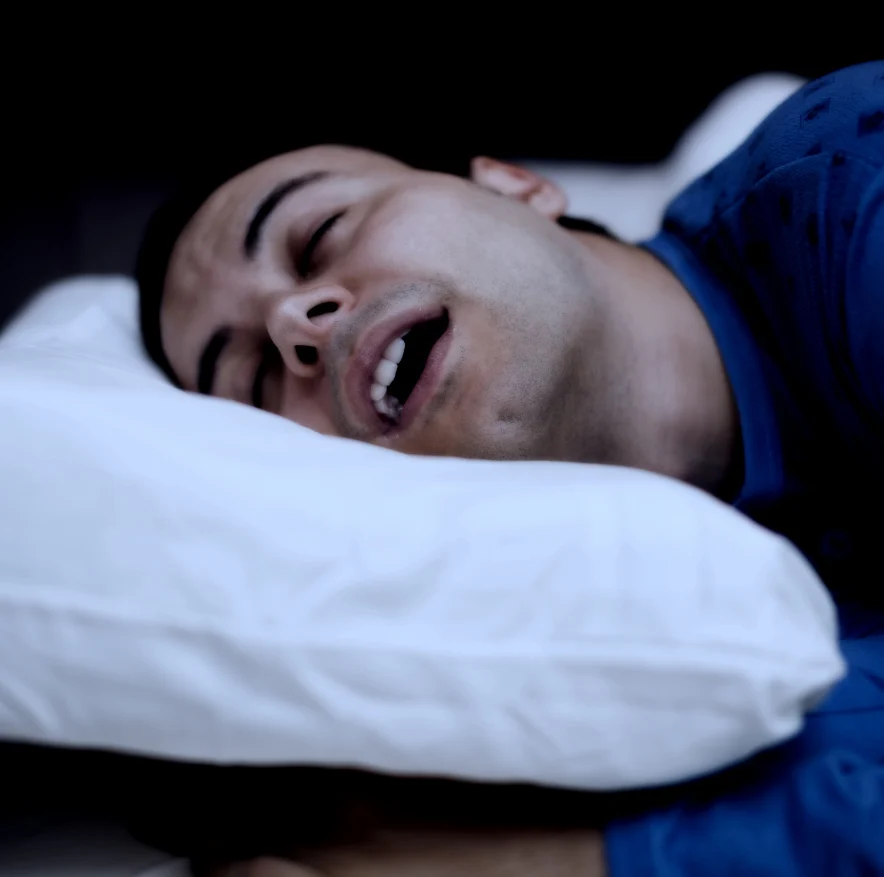
Why Treatment Is Important
Untreated sleep apnea not only affects sleep quality but also significantly increases the risk of serious health problems such as high blood pressure, heart disease, stroke, and diabetes. It can also cause excessive daytime sleepiness, poor concentration, and a higher risk of accidents, making timely diagnosis and treatment essential.
Conditions Treated
As a certified sleep and lung specialist in Lucknow, Dr. Saurabh Ojha provides complete evaluation and treatment for sleep-related breathing disorders:
|
Condition
|
Description
|
Treatment
|
|---|---|---|
|
Obstructive sleep apnea
|
Breathing stops during sleep
|
CPAP therapy
|
|
Loud snoring
|
Airway vibration
|
Airway support
|
|
Daytime sleepiness
|
Poor sleep quality
|
Sleep correction
|
|
Night choking
|
Oxygen drop
|
Sleep therapy
|
Pre & Post-Care
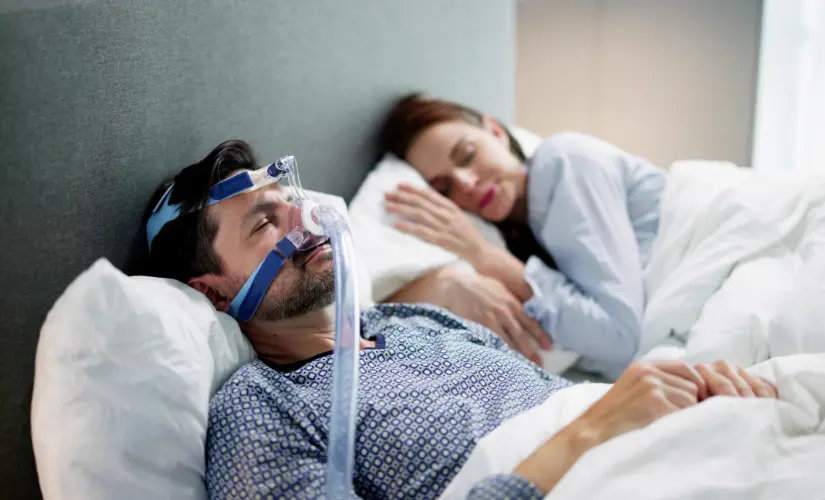
Before starting treatment, a sleep study is performed to confirm the diagnosis and determine the severity of the sleep-related breathing disorder. This test records breathing patterns, oxygen levels, and sleep quality to guide the most appropriate therapy.
Based on the results, CPAP or other suitable treatments are prescribed to keep the airway open during sleep. Regular follow-up visits help monitor response, adjust therapy if needed, and ensure long-term control of symptoms.
Need Help?
Book Sleep Disorder Consultation in Lucknow
Stop snoring, improve sleep, and protect your heart with expert diagnosis and treatment of sleep apnea and breathing disorders.

FAQ
Frequently Asked Questions
Loud snoring, breathing pauses, daytime sleepiness, and morning headaches are common signs.
Occasional snoring is normal, but loud daily snoring may indicate sleep apnea.
It is a test that records breathing, oxygen levels, and sleep patterns overnight.
CPAP controls the condition and prevents complications when used regularly.
Yes. It increases the risk of high blood pressure, heart attack, and stroke.